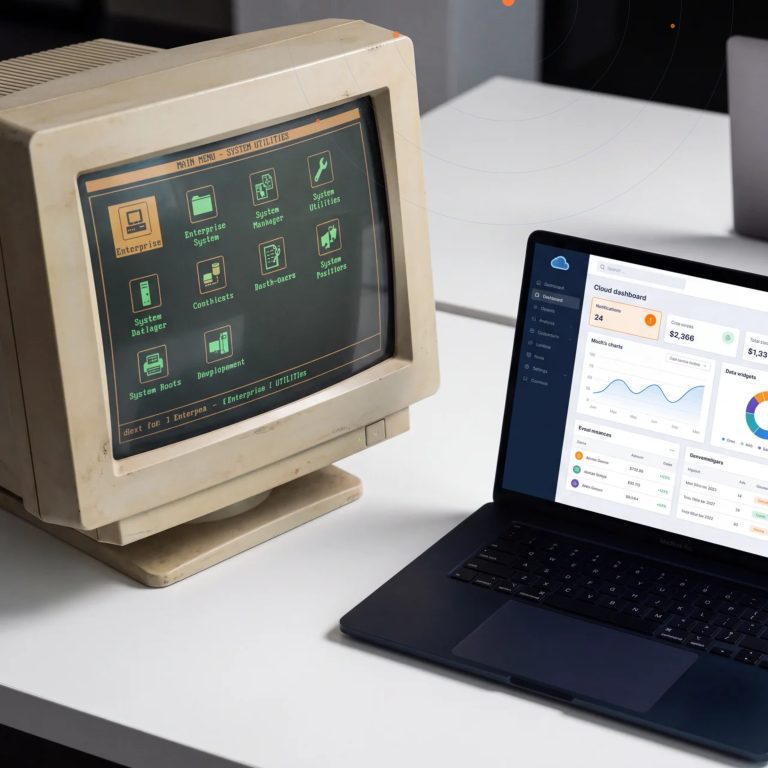


Today’s work environment is fast-paced. Organizations constantly seek ways to boost efficiency and employee satisfaction. HR Employee Self-Service (ESS) systems offer an effective solution. This technology streamlines HR processes. It also empowers employees by giving them control over personal information and HR tasks. Here, we explore the key benefits of implementing an HR ESS system.
1. Enhanced Accessibility with HR employee Self-Service System
An HR ESS system gives employees anytime, anywhere access to important information. Employees can easily retrieve data. This includes payroll, benefits, and other HR services. They access it from the office, while working remotely, or on the go. This flexibility is a huge advantage.
2. Time Savings for HR Teams
One major advantage of an ESS system is reducing administrative burdens for HR personnel. Employees directly handle routine tasks. These include updating personal information, submitting leave requests, and checking pay stubs. This frees up HR teams for more strategic work. Explore how HR automation can further boost efficiency.
3. Improved Accuracy and Data Management
When employees directly input their information, errors significantly diminish. This leads to improved data accuracy. It also helps maintain up-to-date employee records. Accurate data supports better decision-making and compliance.
4. Increased Employee Engagement and Satisfaction
Empowering employees with self-service capabilities fosters ownership and engagement. When individuals manage their own HR tasks, it boosts their confidence and satisfaction. This translates to a more motivated workforce.
5. Streamlined Communication
An HR ESS system serves as a central hub for communication. It connects HR and employees seamlessly. Organizations easily share important announcements, policy changes, and updates. This ensures everyone stays informed. This transparency builds trust and strengthens the employer-employee relationship.
6. Cost-Effectiveness
The initial investment in an HR ESS system may seem substantial. However, long-term savings can be significant. Organizations reduce administrative costs. They also minimize errors. This leads to a positive return on investment.
7. Better Work-Life Balance
An ESS system allows employees to manage their own schedules. They can request time off and access benefits information without contacting HR. This autonomy fosters better work-life balance. Employees handle personal tasks efficiently, with minimal disruption to their workday. For more on work-life balance strategies, consider resources from the Society for Human Resource Management (SHRM).
Conclusion: A Strategic Move for Modern Workplaces
Implementing an HR Employee Self-Service system is more than a trend. It’s a strategic move towards a more efficient, engaged, and satisfied workforce. By investing in this technology, organizations empower their employees. They streamline HR processes. Ultimately, they drive better business outcomes. As the workplace continues to evolve, embracing tools that promote self-service will be essential. It will help maintain a competitive edge and foster a positive organizational culture.