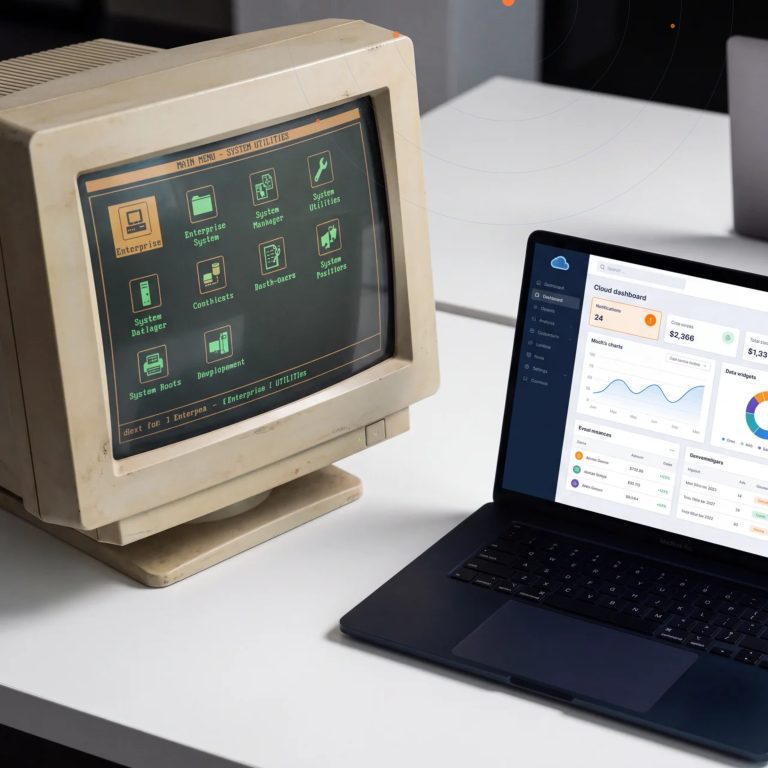


The investment banking landscape is undergoing a rapid digital transformation, driven by factors such as technological advancements, evolving customer expectations, and increased regulatory scrutiny. To truly thrive in this dynamic environment, investment banks must embrace digital technologies and modernize their operations. For a deeper dive into this shift, explore articles on digital transformation in banking.
The Digital Transformation of Investment Banking: The Role of ERP
Enterprise Resource Planning (ERP) systems play a crucial role in this digital transformation. By integrating various business functions, such as finance, accounting, human resources, and supply chain management, ERP systems provide a centralized platform for managing operations, improving efficiency, and gaining a competitive edge. You can learn more about how ERP streamlines back-office functions in financial services and its overall role in finance industry operations.
Key Roles of ERP in Investment Banking’s Digital Transformation
ERP systems are central to digital transformation in investment banking due to several key roles:
Streamlining Operations
ERP systems automate many manual tasks. These include data entry, reconciliation, and reporting. Consequently, this frees up valuable time and resources for more strategic initiatives.
Enhanced Decision Making
Moreover, by providing real-time access to data and analytics, ERP systems empower investment bankers. They can then make informed decisions quickly and effectively.
Improved Risk Management
Furthermore, integrated risk management modules within ERP systems help identify and mitigate potential risks. This includes market risk, credit risk, and operational risk.
Enhanced Compliance
Additionally, ERP systems can help investment banks comply with a wide range of regulations. These include anti-money laundering (AML) and know-your-customer (KYC) regulations.
Improved Customer Experience
Finally, by streamlining back-office operations, ERP systems can contribute to a better customer experience. This is achieved by enabling faster and more efficient service delivery.
Key Considerations for ERP Implementation
When implementing an ERP system, several key considerations are crucial:
Choosing the Right ERP Solution
Crucially, selecting an ERP system that aligns with the specific needs and goals of the investment bank is paramount.
Data Integration
Furthermore, ensuring seamless integration of the ERP system with existing systems and data sources is essential for optimal performance.
Change Management
Moreover, effective change management strategies are necessary. These ensure the successful adoption and utilization of the ERP system across the organization.
Continuous Improvement
Finally, regular reviews and updates are essential. This ensures the ERP system remains aligned with evolving business needs and regulatory requirements.
Conclusion:
ERP systems are not just tools; they are catalysts for digital transformation in investment banking. By embracing these technologies and leveraging their capabilities, investment banks can improve efficiency, enhance decision-making, mitigate risks, and ultimately gain a competitive advantage in the evolving financial landscape. To read and learn more about our core ERP and CRM systems, as well as our other systems designed to streamline your internal operations, please visit our solutions page.
About Global iTS
About Global iTS
Global Information Technology Solutions (Global iTS) is a leading IT company focused on empowering businesses through solutions built on their expertise and partnership with Microsoft Dynamics 365. They specialize in the BFSI sector, with a broad client base in the Financial Services, Insurance, and Investment industries, helping them optimize operations through digital transformation. Global iTS offers comprehensive, industry-specific services tailored to each company’s unique needs. Their commitment is to become the world’s most trusted technology partner for businesses.
Global iTS is Microsoft Dynamics 365 partner and has 11 offices globally, located in Bahrain, Saudi Arabia, UAE, Kuwait, Qatar, Oman, United Kingdom, Jordan, India, Pakistan and Singapore.