

Modern global logistics environments require unprecedented levels of operational agility. Between shifting geopolitical landscapes, fluctuating fuel costs, and unpredictable material shortages, traditional reactive supply chain models are no longer sufficient. For enterprise decision-makers across the Middle East, the key question has shifted from “How do we reduce costs?” to “How do we build an unshakeable, resilient infrastructure?”
Building a truly resilient ecosystem requires deep end-to-end operational visibility. Relying on historic data or siloed spreadsheets creates a dangerous blind spot during unexpected disruptions. To stay competitive, companies must pivot toward active, intelligent systems.
By combining the enterprise-grade resource planning capabilities of Microsoft Dynamics 365 Supply Chain Management with real-time Internet of Things (IoT) sensor networks, organizations can transition from a reactive posture to a predictive powerhouse. This complete guide explores how this combined architecture eliminates visibility gaps, automates shop floor intelligence, and future-proofs regional supply chains.
The Evolution of Supply Chain Vulnerability
Traditional supply chains operate on a linear model: raw material procurement, manufacturing, warehousing, and fulfillment. While highly structured, this approach breaks down when facing localized disruptions. A single delayed shipment or unannounced machine failure can trigger a costly bullwhip effect across the entire distribution network.
In contrast, modern digital transformation shifts businesses toward a connected digital feedback loop. By embedding IoT sensors across physical assets, data flows continuously back to a centralized cloud environment. This setup allows companies to monitor asset health, track in-transit variables, and measure ambient environmental factors as they occur.
When this real-time telemetry is piped directly into an intelligent cloud foundation like Dynamics 365, static operational records transform into dynamic assets. Enterprise leaders gain an active, living view of their entire network, allowing them to make critical interventions before minor delays turn into major operational bottlenecks.
Unifying Dynamics 365 and Real-Time IoT
The true value of IoT lies in its deep integration with foundational business logic. Standalone sensors that send isolated alerts to siloed dashboards only add to the problem of data fragmentation. To unlock their full potential, these streaming insights must be connected directly to your central Enterprise Resource Planning (ERP) platform.
Microsoft enables this fluid connection through Azure IoT Hub and the standard IoT Intelligence add-in for Dynamics 365 Supply Chain Management. Telemetry from the field is captured securely via Azure, processed through stream analytics, and mapped straight to core ERP workflows.
This deep architectural alignment helps businesses bridge the gap between their operational technology (OT) on the shop floor and their information technology (IT) in the corporate office. Physical occurrences—such as a temperature variance in a storage cold room or a sudden drop in machine velocity—automatically trigger corrective financial, procurement, or maintenance actions within the ERP system.
Key Pillars of an IoT-Driven Resilient Supply Chain
Implementing a modern, connected architecture across your operations addresses the primary causes of vulnerability through three key pillars:
1. Machine Health and Intelligent Predictive Maintenance
Unplanned machine downtime directly impacts bottom-line profitability. Traditional maintenance schedules rely on static, time-based intervals or run-to-failure models, both of which introduce unnecessary risk and cost.
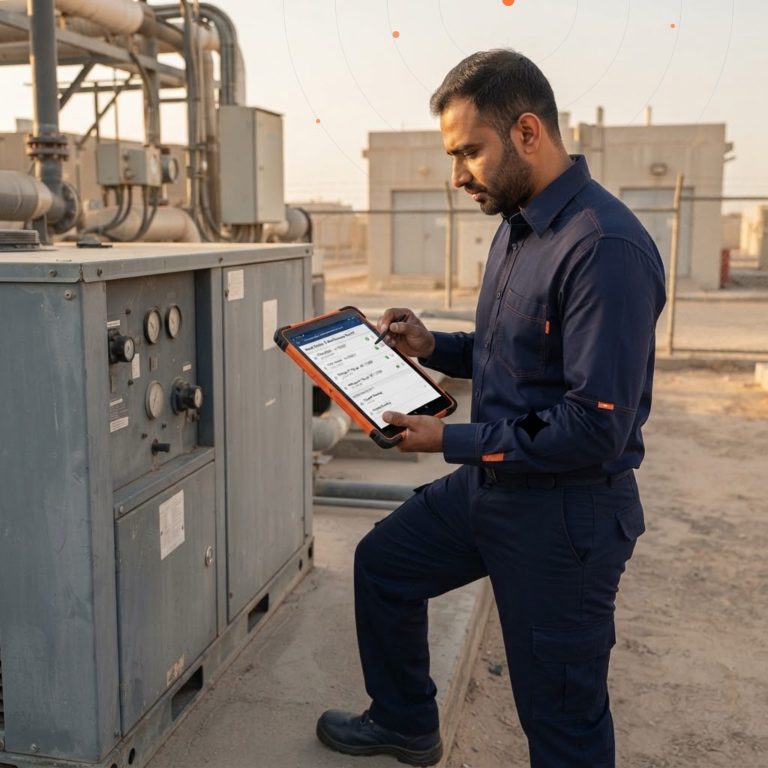
By attaching vibration, thermal, and acoustic IoT sensors to critical production machinery, Dynamics 365 monitors equipment health continuously. If an asset shows signs of mechanical strain, the platform automatically triggers an alert:
- Creates a predictive maintenance work order inside Dynamics 365 Supply Chain Management.
- Identifies and reserves the required spare parts from current warehouse stock.
- Assigns the task to an available technician based on skills and location scheduling.
This proactive approach turns unexpected equipment failures into planned, minor tune-ups, preserving production schedules and extending asset lifespans.
2. End-to-End Asset Visibility and Cold Chain Integrity
Managing supply chains across complex geographic regions requires clear, real-time visibility into goods in transit. Relying only on arrival scans means finding out about damaged or delayed items when it is already too late to fix the issue.
IoT sensors equipped with GPS, temperature, and shock monitoring provide continuous updates on cargo status. If a refrigerated container carrying sensitive pharmaceuticals or perishable foodstuffs experiences a cooling malfunction, the system alerts logistics planners immediately. Managers can reroute the vehicle to a closer distribution hub or dispatch a replacement shipment right away, protecting client relationships and minimizing product loss.
3. Automated Warehouse Optimization and Agility
True operational resilience requires high efficiency on the warehouse floor. Integrating smart scales, connected forklifts, and automated guided vehicles (AGVs) into your warehouse operations creates a highly responsive fulfillment environment.
Dynamics 365 translates real-time sensor data into instant warehouse updates. When smart bins detect stock levels falling below defined safety thresholds, the platform automatically generates replenishment orders. Similarly, real-time tracking of material handling equipment allows the system to optimize picking routes dynamically, reducing congestion and accelerating fulfillment cycles.
Maximizing Strategic ROI with Integrated Business Intelligence
A resilient supply chain relies on converting daily data points into long-term strategic advantages. The continuous stream of telemetry from an integrated IoT network provides an ideal foundation for advanced business intelligence.
By feeding unified ERP and sensor data into embedded Microsoft Power BI templates, companies can identify systemic issues that traditional reporting missed. Operations teams can clearly evaluate vendor performance by analyzing real-time delivery conditions rather than just arrival dates.
Over time, this historical data helps train predictive AI models within Dynamics 365, improving demand forecasting accuracy and optimizing safety stock levels. Instead of keeping excess capital tied up in safety stock, organizations can run lean, demand-driven planning practices confident that their system can adapt quickly to changing market conditions.
Overcoming Strategic Implementation Challenges
Transitioning to a modern, sensor-driven supply chain requires careful, strategic planning. Organizations frequently encounter predictable operational hurdles during implementation:
- Data Silos: Legacy infrastructure often traps data within separate systems, preventing a unified operational view.
- Complex Scaling: Deploying thousands of physical sensors without a centralized management strategy can quickly overwhelm IT teams.
- Security Concerns: Expanding your network with field edge devices creates new endpoints that must be secured against cyber threats.
Success begins with comprehensive data preparation. Before deploying hardware, business leaders should audit and clean their existing master records to prevent legacy errors from disrupting the new platform.
Working with an experienced implementation partner helps mitigate these risks. A certified Microsoft gold partner brings tested deployment frameworks, pre-configured integration templates, and regional expertise to keep your digital transformation project on time and aligned with business goals.
Securing Your Future with GlobalITS
Building a resilient supply chain is a fundamental business necessity for navigating today’s complex economic landscape. By integrating the advanced ERP capabilities of Microsoft Dynamics 365 with the real-time visibility of IoT, your organization can protect its operations against unexpected disruptions and build a sustainable competitive advantage.
As a leading Microsoft gold partner in the region, GlobalITS specializes in helping enterprises successfully navigate complex digital transformations. Our expert consulting team designs, implements, and supports tailored Dynamics 365 and IoT architectures that match your unique operational requirements.
Ready to transform your logistics and manufacturing operations into an agile, predictive ecosystem? Connect with our enterprise team today to schedule a personalized solution demo.