
Fund managers evaluating fund management software run into a version of the same trap as any specialized software search: every vendor’s homepage claims to handle capital calls, waterfalls, and investor reporting well, and the real differences only surface once a firm is deep into implementation — or worse, a year into live use. The fixes for that aren’t complicated, but they need to happen before a contract is signed, not after: asking the right questions, weighting the right criteria, and understanding what a realistic implementation actually looks like for this specific category of software.
This is a practical buyer’s framework for fund management software, built around the questions that actually separate a good fit from an expensive mistake.
Start With How the System Actually Updates Data
One of the most consequential and least visible evaluation criteria is technology architecture — specifically, whether a platform updates records in real time as transactions happen, or relies on periodic batch processing that only reflects the true state of the fund after a scheduled run. An event-based, real-time architecture means a capital call, a distribution, or a fee accrual is reflected everywhere in the system the moment it’s recorded; a batch-based system can leave staff working from data that’s technically already stale, without any obvious signal that it is. This single architectural choice ripples through nearly every other feature a fund manager cares about, from how current the investor portal is to how quickly month-end close can actually happen.
Closely related is general ledger ownership: which system actually controls the GL determines how much of the data flow between accounting, reporting, and investor communication is automated versus manually re-entered. A platform that owns its own GL, rather than syncing periodically with an external accounting system, tends to eliminate an entire category of reconciliation work that otherwise falls on the fund administration team.
The Eight Questions Worth Asking Every Vendor
Beyond architecture, a focused set of questions tends to surface the differences that matter most in a fund management software evaluation. On usability: is the interface genuinely intuitive for both internal staff and investors, and does it include a properly branded investor portal rather than a generic document repository with a fund’s logo pasted on top? On implementation: what’s the realistic deployment timeline, how much internal resource commitment does migration require, and is support included in the base price or billed separately? On integration: does updating an investor’s details in one module genuinely propagate everywhere else in the system automatically, or does staff still need to update multiple screens by hand? And on the vendor relationship itself: is this fundamentally a software company or a services company wearing software branding, since that distinction tends to predict both pricing transparency and how fast the product actually improves over time.
Security and compliance deserve a dedicated line of questioning rather than a one-line reassurance: ask specifically about security certifications such as ISO 27001, where the platform is hosted, what encryption is used, and how audit trails and permission controls are structured. A vendor that answers these specifics clearly and quickly is signaling operational maturity; one that responds with general reassurance rather than specifics is worth pressing further before moving forward.
Scalability and Integration: Buying for Where the Fund Is Going, Not Just Where It Is Today
A platform that fits a firm’s current fund perfectly can become a constraint the moment a second fund launches, a new asset class gets added, or the firm’s assets under management cross a threshold that changes reporting obligations. Evaluating core functionality against immediate needs is necessary but not sufficient — the platform also needs modular features that activate as the firm grows, rather than requiring a full replatforming exercise every time the business changes shape. Asking a vendor directly what the upgrade path looks like for a second fund, an additional jurisdiction, or a new investor type is a reasonable and revealing question at the evaluation stage, well before it becomes an urgent operational problem.
Third-party integration quality deserves the same scrutiny. A fund management platform rarely operates in isolation — it needs to connect to banking systems, tax preparation tools, and potentially a separate CRM used for investor relationships. Confirming genuine API availability and pre-built connectors for the specific tools a firm already relies on, rather than assuming generic “integration-friendly” marketing language covers it, avoids discovering a costly custom integration project only after the contract is signed.
Pricing Models Differ More Than the Feature Lists Suggest
Fund management software pricing tends to fall into two broad categories, and understanding which one a vendor uses matters as much as the number itself. Software-first companies typically price transparently based on funds under management, with a published or easily quoted fee schedule and no hidden escalation as the fund grows. Service-heavy providers, by contrast, often bundle software access with administrative services in a way that makes true cost comparison difficult, and pricing can escalate in ways that aren’t obvious from the initial quote. Asking directly whether a vendor is fundamentally a software company or a services company using software as a delivery mechanism is a legitimate and clarifying question — the answer predicts both how transparent pricing will be and how quickly the platform itself, as opposed to the service wrapped around it, actually improves over time.
Platform evolution is worth evaluating directly rather than assuming every vendor keeps pace equally. A vendor with a visible, active development roadmap and a track record of shipping features in response to regulatory changes — such as new investor reporting standards — is a materially safer long-term bet than one whose product has visibly stagnated while its sales and services teams have grown. Reviewing a vendor’s release notes or product changelog from the past twelve months, where available, is a quick and concrete way to check this before signing a multi-year contract.
LP Expectations Have Fundamentally Shifted
Investor reporting used to mean a quarterly PDF delivered weeks after quarter-end, and evaluating fund management software used to mean checking whether that PDF could be generated reliably. That bar has moved: LP expectations have shifted to on-demand access, with investors expecting self-serve portals showing live performance metrics rather than waiting on a scheduled report cycle. A genuine LP portal provides statements, capital call notices, K-1 tax documents, and current performance data directly and continuously — not a static document dump that gets refreshed once a quarter. Evaluating a fund management platform’s LP portal against this current bar, rather than the older quarterly-PDF standard, will disqualify a surprising number of platforms that still market themselves as investor-portal-equipped.
Fund Accounting Depth and Audit Readiness
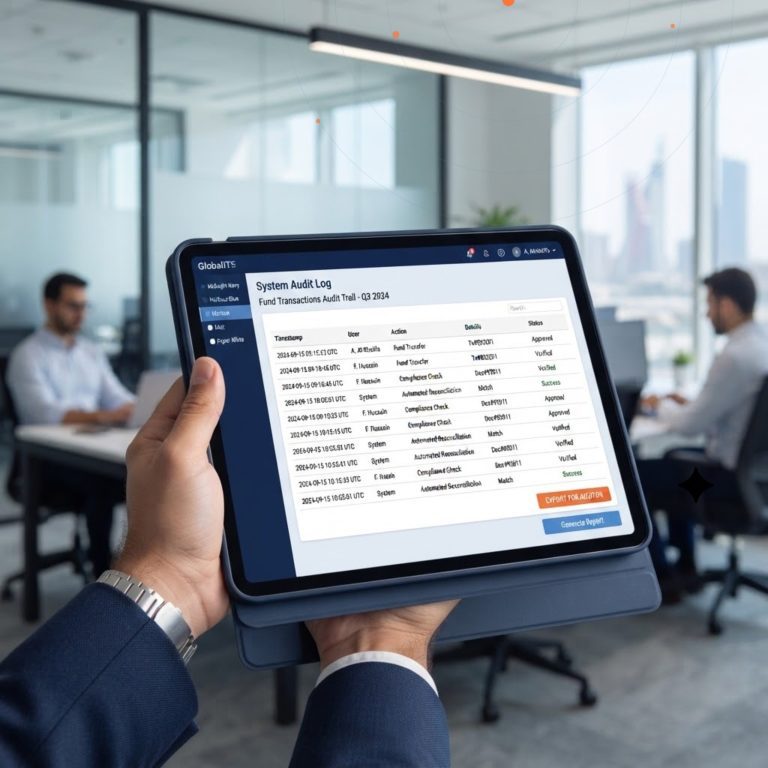
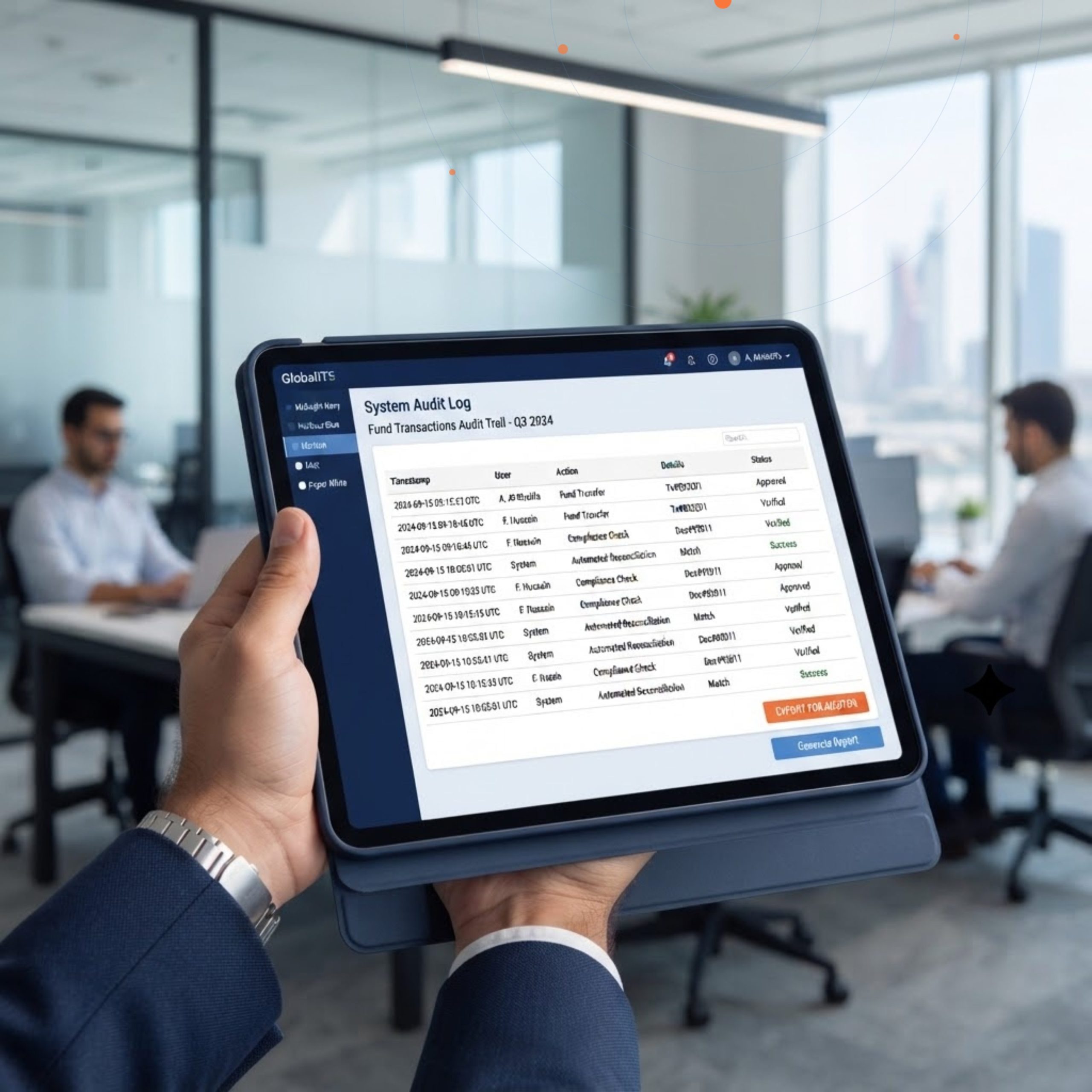
Beneath the interface, fund accounting depth is what actually separates a fund-specific platform from a generalist tool with fund features bolted on: correct handling of fees, waterfall calculations across different structures, and genuine multi-entity consolidation for funds with SPVs or co-investment vehicles. Equally important and frequently underweighted is audit readiness — whether the platform maintains an immutable transaction trail that an external auditor can review directly, rather than requiring the fund administration team to reconstruct a paper trail manually every audit cycle. A platform strong on daily operations but weak on audit readiness creates a recurring annual cost that never shows up in the initial sales conversation, since every audit cycle effectively becomes a manual reconstruction project layered on top of whatever the auditor would normally charge.
Implementation Timelines Vary More Than in Most Software Categories
Implementation timeline is worth confirming explicitly rather than assuming, because the range across fund management software vendors is unusually wide: modern software-first platforms can go live in a matter of hours or days for straightforward fund structures, while legacy enterprise systems built around heavier customization typically take six to twelve months to fully implement. Neither approach is automatically wrong — a firm with genuinely complex multi-entity structures may need the customization that a longer implementation buys — but the timeline needs to match the fund’s actual complexity and go-live urgency rather than being discovered partway through a sales cycle.
Choosing Fund Management Software for a GCC-Based Fund
For fund managers and administrators in Bahrain and the wider GCC, add explicit multi-currency and cross-jurisdictional reporting capability to this checklist, along with confirmation that the platform’s compliance tooling maps to relevant regional regulatory requirements, not only US or European standards baked in by default. Given how much LP portal quality now shapes investor experience, it’s also worth testing the portal directly with a sample GCC-based LP’s realistic reporting needs before committing, rather than relying on a vendor’s generic demo walkthrough.
Choosing the Right Fund Technology Partner
Global ITS works with fund managers and administrators across Bahrain and the GCC to evaluate fund management software against the criteria that actually matter — architecture, LP experience, fund accounting depth, and a realistic implementation plan. Contact our team to work through your fund’s specific requirements, or request a live demo to see a platform tested against them.