

In the modern industrial landscape, the “factory of the future” is no longer a distant concept—it is a digital reality. For manufacturing leaders in Bahrain and across the GCC, the pressure to increase throughput while reducing operational costs has never been higher. Yet, many facilities remain tethered to manual data entry, paper-based floor checks, and siloed legacy systems that obscure real-time visibility.
Business Process Automation (BPA) is the bridge between traditional manufacturing and Industry 4.0. By leveraging the combined power of Microsoft Power Apps and Dynamics 365, manufacturers can automate complex workflows, digitize the shop floor, and turn raw data into actionable intelligence. This guide explores how GlobalITS empowers manufacturers to transform their operations through the Microsoft ecosystem.
The Strategic Importance of Automation in Manufacturing
The manufacturing sector is uniquely complex, involving intricate supply chains, rigorous quality standards, and expensive machinery. When these elements are managed manually, the risk of human error increases, leading to costly downtime or defective batches.
Automating these processes ensures consistency. Whether it is inventory tracking or machine maintenance scheduling, automation removes the “guesswork” from the equation. By integrating cloud-based solutions, manufacturers gain a single source of truth, allowing decision-makers to respond to market shifts with agility.
Transforming the Shop Floor with Microsoft Power Apps
Microsoft Power Apps is a low-code development platform that allows manufacturers to create custom applications tailored to their specific operational needs. Unlike off-the-shelf software, Power Apps can be built to solve niche problems on the production line.
Digitizing Quality Inspections
Traditional quality control often involves clipboards and manual filing. With a custom Power App, floor supervisors can conduct inspections on tablets. They can capture photos of defects, log timestamps, and trigger automatic alerts to the maintenance team if a machine fails a check. This immediate feedback loop prevents faulty products from moving further down the line.
Streamlining Inventory Management
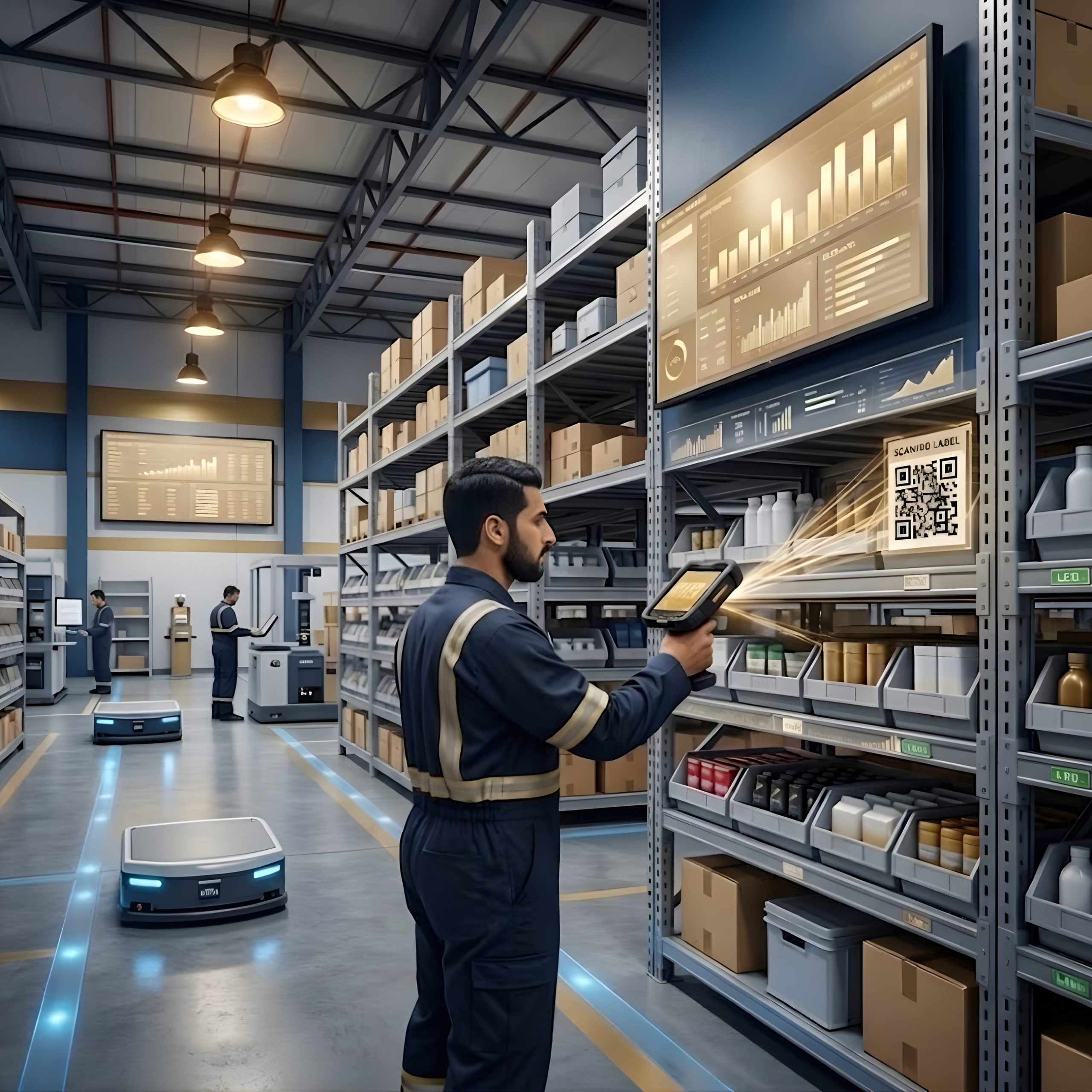
Inventory inaccuracies are a primary cause of production delays. Power Apps can be integrated with barcode scanners or RFID tags, allowing workers to update stock levels in real-time. This data flows instantly into the central ERP, ensuring that procurement teams are notified before critical raw materials run out.
Orchestrating Operations with Dynamics 365 Supply Chain Management
While Power Apps handles specific tasks, Dynamics 365 Supply Chain Management acts as the brain of the operation. It provides a robust framework for managing the entire lifecycle of a product.
Predictive Maintenance and Asset Management
One of the most significant advantages of Dynamics 365 is its ability to integrate with IoT sensors. By monitoring machine health in real-time, the system can predict when a component is likely to fail. Instead of “fixing what is broken,” manufacturers can perform “predictive maintenance,” scheduling repairs during planned downtime to avoid catastrophic failures.
Enhanced Production Planning
Dynamics 365 uses advanced algorithms to optimize production schedules based on resource availability, worker shifts, and delivery deadlines. This ensures that the factory floor operates at maximum efficiency, reducing idle time and optimizing energy consumption.
Synergizing Power Platform and Dynamics 365
The true ROI of Microsoft Business Applications is realized when Power Apps, Power Automate, and Dynamics 365 work in harmony.
Automated Approval Workflows
Using Power Automate, a request for high-value raw materials initiated in a Power App can be automatically routed to a manager’s mobile device for approval. Once approved, Dynamics 365 automatically generates the purchase order. This eliminates the “paper trail” and accelerates the procurement cycle.
Data-Driven Insights with Power BI
All data collected through Power Apps and Dynamics 365 can be visualized in Power BI. Executives can view real-time dashboards showing Overall Equipment Effectiveness (OEE), labor productivity, and supply chain bottlenecks. This level of transparency is essential for continuous improvement and strategic scaling.
Overcoming Digital Transformation Challenges
Transitioning to an automated environment requires more than just software; it requires a shift in culture and a clear roadmap. Many manufacturers struggle with “data silos”—where different departments use incompatible tools.
The Microsoft ecosystem solves this by utilizing the Dataverse, a centralized data platform that ensures your warehouse, finance, and production teams are all looking at the same numbers. Partnering with an expert like GlobalITS ensures that your legacy systems are integrated correctly, preventing data loss and minimizing disruption during the transition.
Conclusion: Take the Next Step with GlobalITS
Business process automation is no longer a luxury—it is a necessity for survival in a globalized economy. By combining the flexibility of Power Apps with the depth of Dynamics 365, manufacturers can achieve unprecedented levels of efficiency, quality, and profitability.
At GlobalITS, we specialize in tailoring Microsoft Business Applications to the unique needs of the manufacturing industry. Our team of experts is ready to help you map out your automation journey, from the initial consultation to full-scale implementation.
Ready to modernize your manufacturing operations?
Contact GlobalITS today for a personalized demo of our Power Apps and Dynamics 365 solutions. Let’s build the future of your business together.